Sick Building Syndrome – What Is It and How to Figure Out If Your Building Has It?
2/4/25
Building (or renovating) an office, home, or other enclosed space is a thing of joy. But it comes with some health and safety risks. One of which is the Sick Building Syndrome (SBS).
Sick building syndrome is the symptoms you’ll get inside a building. The building could be an office, your friend’s new (or renovated) home, or any other enclosed space.
When occupants of a building experience comfort-related effects or acute health issues, it could be linked to the time spent in the building. Health professionals claim that SBS is tied to poor ventilation in buildings. However, the exact cause of the condition is unknown.
According to the Consumer Product Safety Commission, 30 percent of remolded and new buildings experience poor indoor air quality. If proper measures are not taken, occupants of these new and remolded buildings could be susceptible to SBS.
Signs and symptoms of sick building syndrome
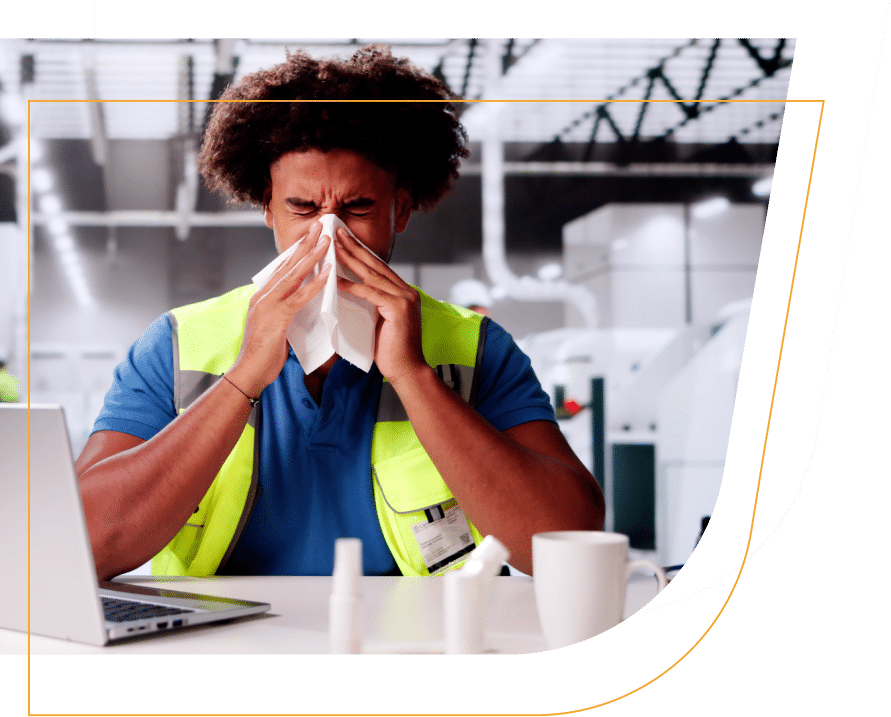
SBS affects the skin, neurological, and respiratory systems. People experiencing SBS symptoms could self-diagnose and mistake it for a flu or cold. Symptoms get worse the longer you are in the building, but you will get better after leaving the building.
It’s worth noting that symptoms vary from person to person, and the possible symptoms are:
Runny or blocked nose
Skin rashes
Dry, itchy skin
Headaches
Dry, sore throat or eyes
Wheezing or cough
Difficulty concentrating and tiredness
Sneezing
Tightness in the chest
Forgetfulness
Difficulty concentrating
Burning sensations in the nose
Chills
Fever
Nausea
Body aches
Fatigue
Irritability
Complainants always report relief after leaving the building, but there are lingering effects of neurotoxins.
It’s worth noting that these symptoms can be caused by a plethora of things. Having these symptoms doesn’t necessarily translate to sick building syndrome. People who are in different places will likely experience any (or all) of these symptoms.
What are the causes of sick building syndrome?
Sick building syndrome is used when health professionals cannot identify the exact cause of the symptoms. The possible causes to look out for include:
Buildings with poor ventilation like offices, schools, and public spaces
Tobacco smoke
High levels of dust
Presence of fungus or mold
Rooms with poor lighting
Asbestos
Pesticides
Formaldehyde (found in floors and wood furniture)
Carbon monoxide
Chemicals in the air from cleaning products
Low humidity or heat
Animal or insect droppings
Noisy work environments
Low workplace morale
Ozone from the use of fax machines and printers
High-stress levels at work or school
Eye strain caused by outdated computer displays
It’s almost impossible to pinpoint a single factor that causes SBS. There are multiple factors that can cause it, and you’re better off working with your employer to curb the possible risk factors.
How is it diagnosed and treated
Health professionals use the elimination process to diagnose SBS. Other conditions that could mimic SBS will be ruled out. These conditions could be asthma, allergies, or colds. You’ll also be asked about your home and work environment.
It is advised that you record your symptoms in a journal. Keep a record of when and where they start, and when they go away. If possible, be as specific as possible when recording your symptoms.
SBS treatment is through symptom alleviation and reduced exposure to the causes of the symptoms. You could also opt for allergy medications to alleviate itchy nose, skin, and eyes. Over-the-counter options like Zyrtec and Benadryl are also viable treatment routes. If you’re experiencing breathing difficulties like wheezing, you could consider asthma medications.
Employers, landlords, and managers could tackle these cases by deploying strategies like:
Using cleaning products with no fragrances or low fumes
Change lights when necessary
Routinely change the air filters
Vacuum regularly
Update your computer monitors and other digital display systems
Get a test for indoor fungus or mold
Invest in blue or LED lights to reduce energy output.
How to prevent and control sick building syndrome
There are no sure ways to ascertain that an indoor space has poor air quality that will make you feel sick. However, there are preventive measures that can be taken to lower the risk of SBS.
To lower the risk of sick building syndrome, you need to take measures like:
Regular breaks outside the building. For instance, you should consider having your lunch break outdoors.
Open the windows for the inflow of fresh air. However, you should limit how long your windows are opened if there are high levels of outdoor pollen
give your eyes a break by incorporating offscreen time into your work routine. For instance, you should have a break when you look away from the computer and other digital screens
walk around the office area or stand at your desk
caution should be taken when applying indoor chemicals like insecticides and bleach
to maintain a healthy work and home environment.
Speaking of maintaining a healthy environment, you can opt to do it yourself or better still, hire professionals to help out. And that’s where Crete United comes in.
Crete United can help improve the built environment and help you have a healthier work environment.
The team at Crete United offers a variety of services like design-build & installation, maintenance & service, and HVAC/MEP services.
Interested in working with or joining Crete United?