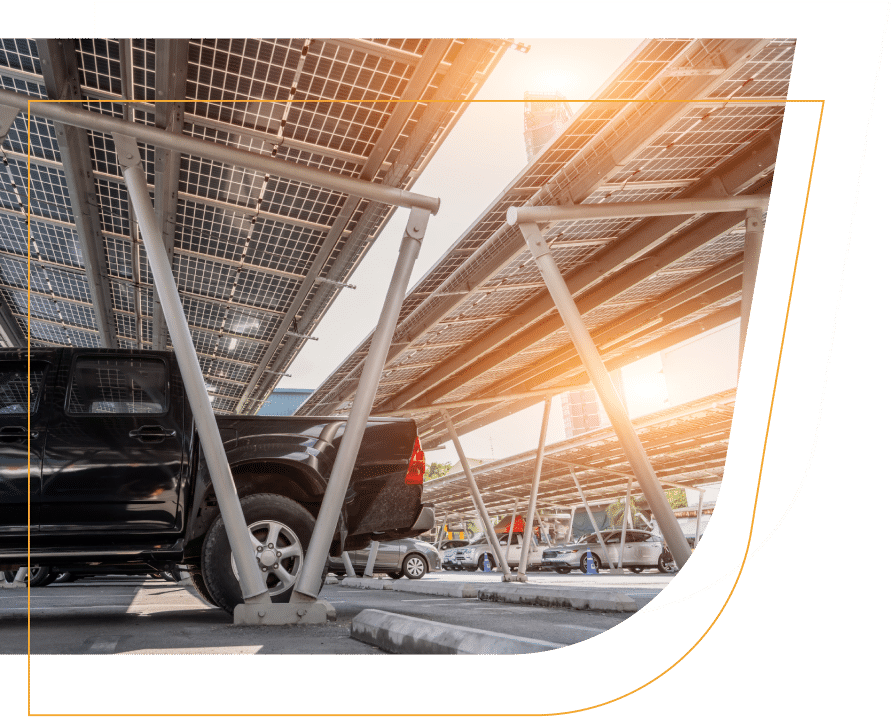
Solar Parking Canopies: Harnessing Clean Energy in Everyday Spaces
2/3/2025
Solar parking canopies have emerged as an innovative and practical way to combine clean energy generation with efficient use of parking spaces. These structures can be configured to serve multiple purposes while providing shade and protection for vehicles and acting as a visible promotion of environmental responsibility. The solar energy captured can be used to offset building consumption, support EV charging, or reduce utility expenses by sending energy back to the grid. The adoption of solar parking canopies is growing in urban areas, corporate campuses, universities, and even residential complexes. Below, we explore the key benefits that make these solar structures a smart investment for both the environment and property owners.
1. Increased Utility of Existing Space
Parking lots, whether at malls, office buildings, or airports, represent vast, underutilized spaces that are exposed to the sun for long hours each day. Installing solar panels on top of these parking areas doesn’t require any additional land, making it an efficient use of existing infrastructure. Unlike traditional solar farms, which demand large tracts of land and impact local ecosystems, solar canopies maximize utility without consuming extra space.
2. Energy Generation and Cost Savings
One of the most significant benefits of solar parking canopies is their ability to generate clean, renewable energy. This can drastically reduce the energy costs for businesses or property owners. During peak sunlight hours, these solar panels can power lighting, electric vehicle (EV) chargers, and even contribute to the building’s overall energy needs. Depending on the size of the installation and local sunlight conditions, a solar canopy system can significantly reduce or even eliminate electricity bills over time. Additionally, solar canopies can utilize bifacial panels with cells that absorb sunlight on both sides, allowing the albedo effect associated with reflected sunlight to increase the efficiency of the panels.
3. Environmental Impact and Sustainability Goals
Limited availability of rooftop space and undeveloped land should not be a deal-breaker for renewable energy. Businesses and governments that are looking to meet sustainability goals or achieve carbon neutrality can use solar parking canopies as part of their green energy strategy. Each kWh of solar energy produced offsets energy that would otherwise be sourced from fossil fuels, helping mitigate the impact of climate change.
4. Electric Vehicle Charging Integration
With the rise of electric vehicles, there’s an increasing demand for EV charging infrastructure. Solar parking canopies can easily incorporate EV charging stations powered directly by the energy they collect. This creates a green, self-sustaining system that supports the growing EV market, giving drivers access to clean energy while they park.
5. Protection for Vehicles
In addition to generating solar power, these canopies also provide shade and shelter for parked vehicles. In areas with hot climates where the sun can cause vehicle interiors to overheat, the shade reduces the need for air conditioning when drivers return to their cars, potentially decreasing fuel consumption for internal combustion vehicles and improving comfort for drivers. The shelter provided by canopies also improves driver experience during times of rain and snow.
6. Increased Property Value and Market Appeal
Adding solar parking canopies can enhance the property’s value and its appeal to customers. Shaded parking is an attractive feature for customers and employees alike, especially in areas with extreme weather. The visible and obvious presence of solar infrastructure can also be a draw for eco-conscious consumers, making a business stand out as a forward-thinking and sustainable brand.
7. Energy Independence and Resilience
Solar parking canopies can play a critical role in energy resilience. With the integration of battery energy storage system (BESS), the energy generated on-site by these canopies can help businesses reduce their dependence on the grid. Energy can be stored and used when the sun isn’t shining, to offset peak demand costs, or during power outages to ensure a steady energy supply and greater energy security.
8. Tax Incentives and Rebates
Investment tax credits, local tax incentives, rebates, or grants are widely available to offset the initial costs of solar energy systems, making them an even more attractive investment. Businesses may also be eligible for accelerated depreciation on solar installations, further reducing the financial burden and shortening the payback period.
9. Reducing Urban Heat Islands
Parking lots are known to contribute to the “urban heat island” effect, where large expanses of asphalt and concrete absorb and radiate heat, leading to higher temperatures in cities. Solar canopies mitigate this effect by providing shade and lowering the parking area surface temperature. This can contribute to a more comfortable environment for both people and vehicles while potentially lowering the cooling needs of surrounding buildings.
Conclusion
Solar parking canopies represent a win-win solution for property owners, businesses, and the environment. By leveraging existing parking spaces to generate clean energy, reduce costs, and support sustainability goals, solar canopies are a forward-thinking investment that can pay dividends for years to come. As the world transitions to renewable energy, solar parking canopies will continue to play a vital role in building greener, more sustainable communities.
Interested in working with or joining Crete United?